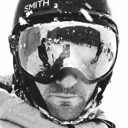
Climbing is meditation with consequences. The focus demanded by difficult moves, the fear that arises at heights, the complete absorption in body position and movement—climbing naturally cultivates meditative states. The question is whether climbers consciously develop these mental skills or leave them to chance.
Understanding the mental game of climbing, and training it deliberately, separates climbers who plateau from those who continue progressing.
The Climbing Mind
Present-Moment Necessity
On the wall, presence isn't optional:
Fall consequences: Distraction at height has real consequences. The mind focuses because it must.
Move precision: Each hold, each body position, each transition requires attention. Past and future thinking degrades execution.
Continuous problem-solving: The route presents puzzles that require complete engagement to solve.
Climbing forces what meditation teaches: being here now.
Fear and Flow
Climbing's relationship with fear is unique:
Productive fear: Some fear sharpens focus, enhances performance.
Destructive fear: Too much fear freezes movement, causes errors, creates danger.
The edge: The optimal zone lives at fear's edge—enough activation for performance, not so much that it impairs.
Meditation trains the fear regulation that finds this zone.
Body Awareness
Climbing demands extraordinary proprioception:
Center of gravity: Constant awareness of where weight is distributed.
Tension patterns: Knowing which muscles are working, which can release.
Micro-adjustments: Small position changes that determine success or failure.
This body awareness develops through climbing practice—and through meditation.
Off-Wall Practice
Fear Meditation
Deliberately work with fear:
Visualization of exposure: Eyes closed, imagine increasing heights. Notice fear arising. Practice staying present with it.
Fear observation: When fear appears (in meditation or life), observe its physical manifestation. Where in the body? What sensations?
Non-resistance: Practice allowing fear to be present without fighting it. Fear plus resistance equals panic. Fear alone is manageable.
Body Scan Practice
Climbing body awareness is essential:
Detailed scanning: Regular body scan meditation develops fine-grained body awareness that transfers to the wall.
Tension recognition: Learn to notice unnecessary tension. Climbing while over-gripping or over-tensing wastes energy.
Position sense: Eyes closed, know where your limbs are in space. This proprioceptive training enhances climbing position awareness.
Breath Training
Breathing matters on the wall:
Breath holding awareness: Notice when you hold breath during difficulty. Climbing often triggers this unhelpful pattern.
Recovery breathing: Techniques for rapid recovery between moves, on rest holds, between attempts.
Arousal regulation: Breath as tool for managing activation level.
Route Visualization
Mental rehearsal for climbing:
Sequence visualization: Before attempting, mentally rehearse the sequence. See each move, feel each hold.
Problem-solving visualization: Work through cruxes mentally. Sometimes the solution appears in mental rehearsal.
Success visualization: See yourself completing the route. This builds confidence and neural pathways.
On-Wall Application
Pre-Climb Preparation
Before leaving the ground:
Route reading: Study the wall with full attention. Identify holds, plan sequence, anticipate challenges.
Mental rehearsal: Run through the route mentally one more time.
Centering: Brief breath, release unnecessary tension, arrive present.
Intention: Not "I will send" but "I will climb with full attention."
During Climbing
Present focus: This move only. Not the crux above, not the ground below.
Breath awareness: Breathing consciously, especially through difficult sections.
Tension check: Regular scans for unnecessary gripping, shoulder tension, jaw clenching.
Rest utilization: On jugs or rest holds, full recovery—physical and mental.
Crux Execution
When the hard part arrives:
Arousal check: Activated but not panicked. Adjust if needed.
Micro-focus: Just this sequence of moves. Not the whole climb.
Commitment: When the move requires it, full commitment without hesitation.
Failure acceptance: If it doesn't go, it doesn't go. Observe without judgment.
Post-Climb Processing
After the attempt:
Brief presence: Before analysis, simply notice how you feel.
Learning extraction: What worked? What needs work? Specific, not general.
Release: Whether send or fall, the attempt is complete. Release it.
Style-Specific Applications
Bouldering
Short, intense problems with different mental demands:
Full commitment: No rope, no second chances on hard moves. Mental training builds commitment capacity.
Rapid cycling: Many attempts, quick turnaround. Mental reset between attempts.
Fear management: Ground-up fear differs from height fear. Still requires training.
Sport Climbing
Rope-protected climbing with its own challenges:
Sustained effort: Longer routes require sustained mental engagement.
Lead head: Managing the fear of falling above protection.
Redpointing: The mental game of working a project across sessions.
Traditional Climbing
Self-protected climbing adds mental layers:
Gear placement: Maintaining focus while placing protection.
Runout management: Sections without protection require enhanced mental control.
Multi-pitch stamina: Hours of focused climbing demand mental endurance.
Outdoor vs. Indoor
Indoor advantages: Controlled environment for mental training. Focus on technique without environmental variables.
Outdoor demands: Real rock adds complexity. Weather, rock quality, isolation—all require mental flexibility.
Transfer: Mental skills built indoors transfer outdoors. Practice in the gym, apply on the crag.
Common Climbing Mental Challenges
Performance Anxiety
The grade gets in your head:
The fix: Grades are just numbers. The route is just rock. Climb the rock, not the grade.
Process focus: Instead of "Can I do this?" ask "How do I do this?"
Exposure therapy: Climb things at your limit regularly. Normalize the edge.
Falling Fear
Reluctance to fall impairs climbing:
Fall practice: Deliberate falling builds confidence that falls are safe (when they are).
Gradual progression: Small falls, then bigger. Build capacity.
Trust building: Trust the rope, trust the belayer, trust the system.
Frustration with Progress
Plateaus are mentally challenging:
Acceptance: Plateaus are normal. Resistance to them adds suffering.
Long view: Progress is measured in months and years, not days.
Process appreciation: If climbing is only about grades, frustration is guaranteed.
Comparison with Others
Watching others climb harder:
Own journey: Everyone's path is different. Compare with your past self.
Appreciation: Others' skill is beauty to observe, not threat to self-worth.
Learning: Instead of jealousy, curiosity. What are they doing that you could learn?
Building the Climbing Mind
Daily Practice
Morning meditation: 15-20 minutes. Foundation for all mental skills.
Body scan routine: Regular body awareness practice.
Pre-session centering: Brief meditation before climbing.
Climbing Session Integration
Mindful warm-up: Easy climbing with full presence.
Visualization: Before hard attempts, mental rehearsal.
Fear working: Regular exposure to manageable fear.
Post-session reflection: What was the mental game like today?
Progressive Mental Training
Foundation: Establish meditation practice, develop body awareness.
Fear work: Systematic desensitization to fear-triggering situations.
Performance focus: Mental skills for redpointing, competition, significant sends.
Integration: Mental skills become automatic, not effortful.
Key Takeaways
- Climbing naturally cultivates presence—but deliberate training accelerates development
- Fear management is trainable through meditation and progressive exposure
- Body awareness from meditation enhances climbing proprioception
- Route visualization builds both confidence and neural pathways
- Each climbing style has specific mental demands worth training
- Common mental challenges have specific meditation-based solutions
The Return app supports the daily meditation that builds climbing mental skills. Train your mind as seriously as you train your fingers.
Return is a meditation timer for athletes who understand that the hardest moves require the clearest minds. Build the mental game that elevates your climbing. Download Return on the App Store.